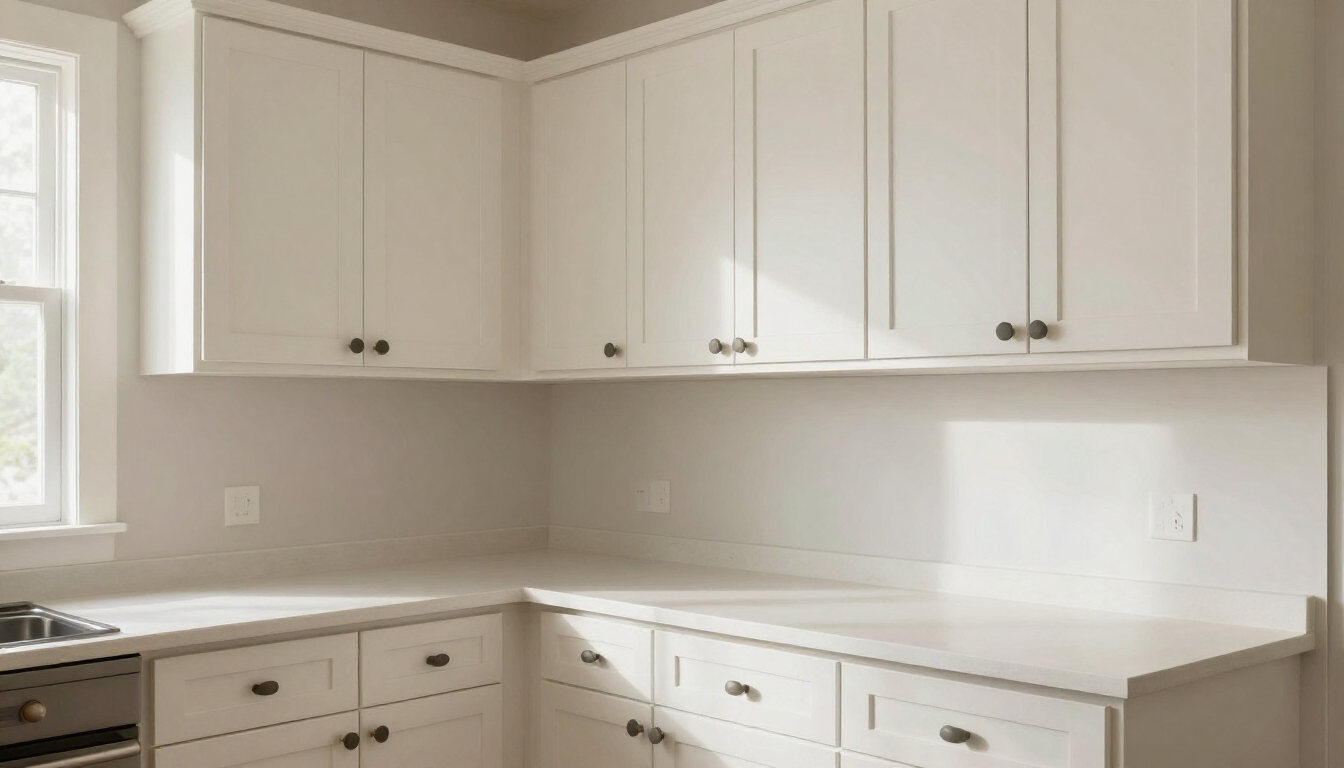
Separate color from reflectivity.
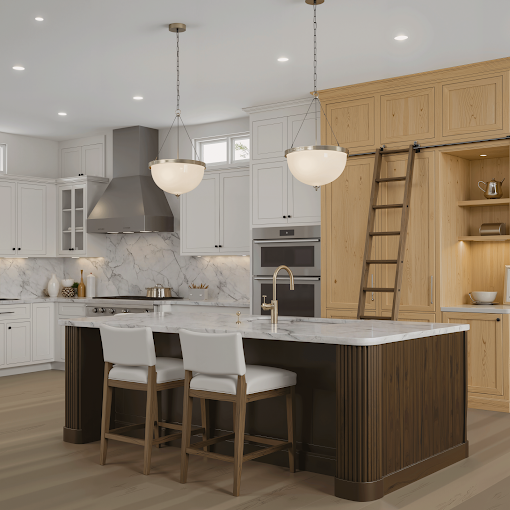
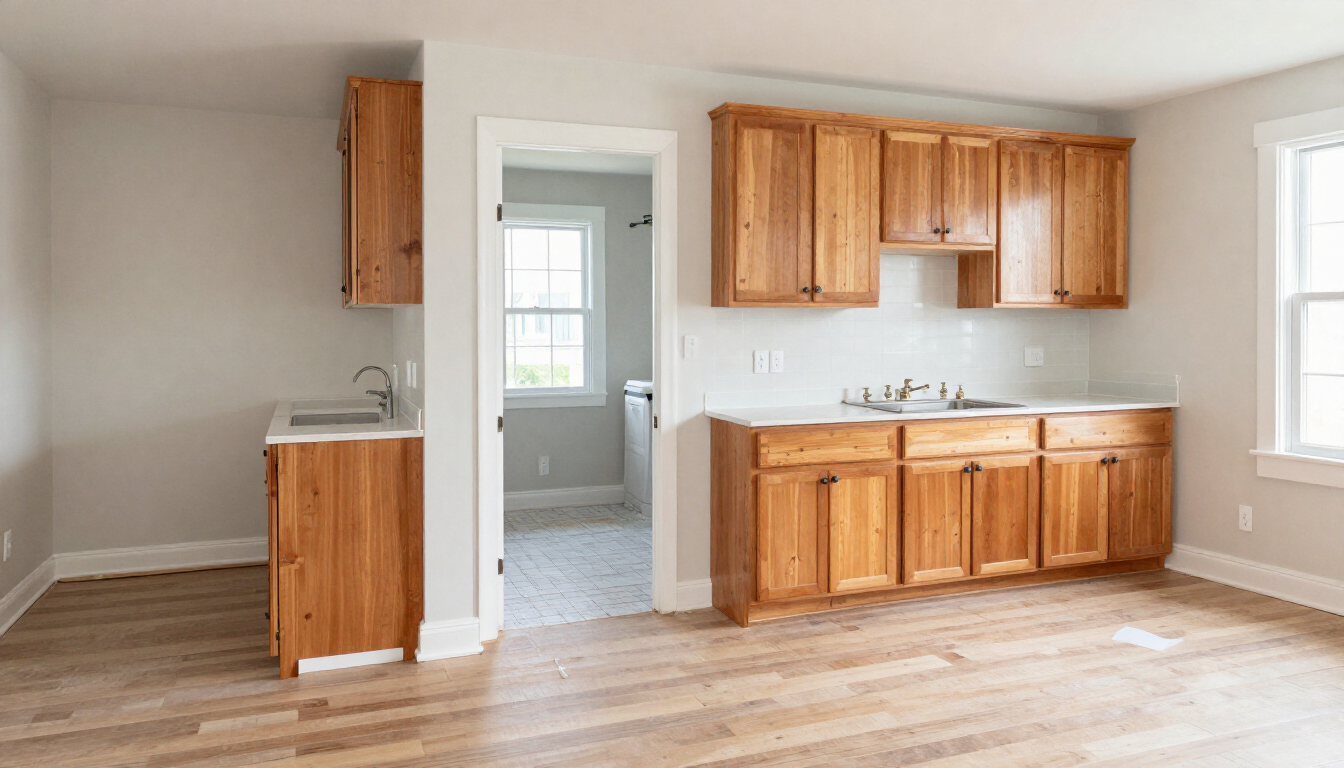
A small DC kitchen often asks for light and then receives glare instead. Pale colour and a shiny surface are not the same decision. The useful test is whether the counter can be used at the hour the household actually cooks.
01Separate color from reflectivity
A light cabinet can still have a matte finish. A dark cabinet can still reflect a pendant. Write colour and sheen as separate lines. Reflectivity is what turns a bright idea into a distracting one, especially opposite a window.
02Choose the countertop from real samples
Look at the slab or the sample in the kitchen, in morning light and under the lights you plan to use. A photograph cannot show whether a polished edge will mirror the window. Compare more than one sheen before the size is ordered.
03Keep the backsplash from becoming a light show
Glossy tile across a whole wall can bounce task lights into the cook’s eyes. A quieter field, with a more reflective piece used only where it is wanted, usually serves a small kitchen better. View the tile with the counter sample, not alone.
04Coordinate cabinetry, hardware and lighting
Door style, pull finish and pendant placement should be reviewed together. A polished pull on a matte door is a small choice with a large reflection. Place task light on the work, and keep decorative light from becoming the only light in the room.
Test color, sheen and lighting together in the actual room so the kitchen feels bright without producing distracting reflections.The Sarokey approach
05Approve a complete light-and-material mockup
Stand the samples together in the actual kitchen before ordering. If the set feels bright and still lets you see the work, it is ready. If it only looks bright in a rendering, it is not finished.
Further reading
Planning guidance only. Requirements vary by address and scope. Illustrations are not documented Sarokey projects.
EPA · Lead-safe renovation planning